
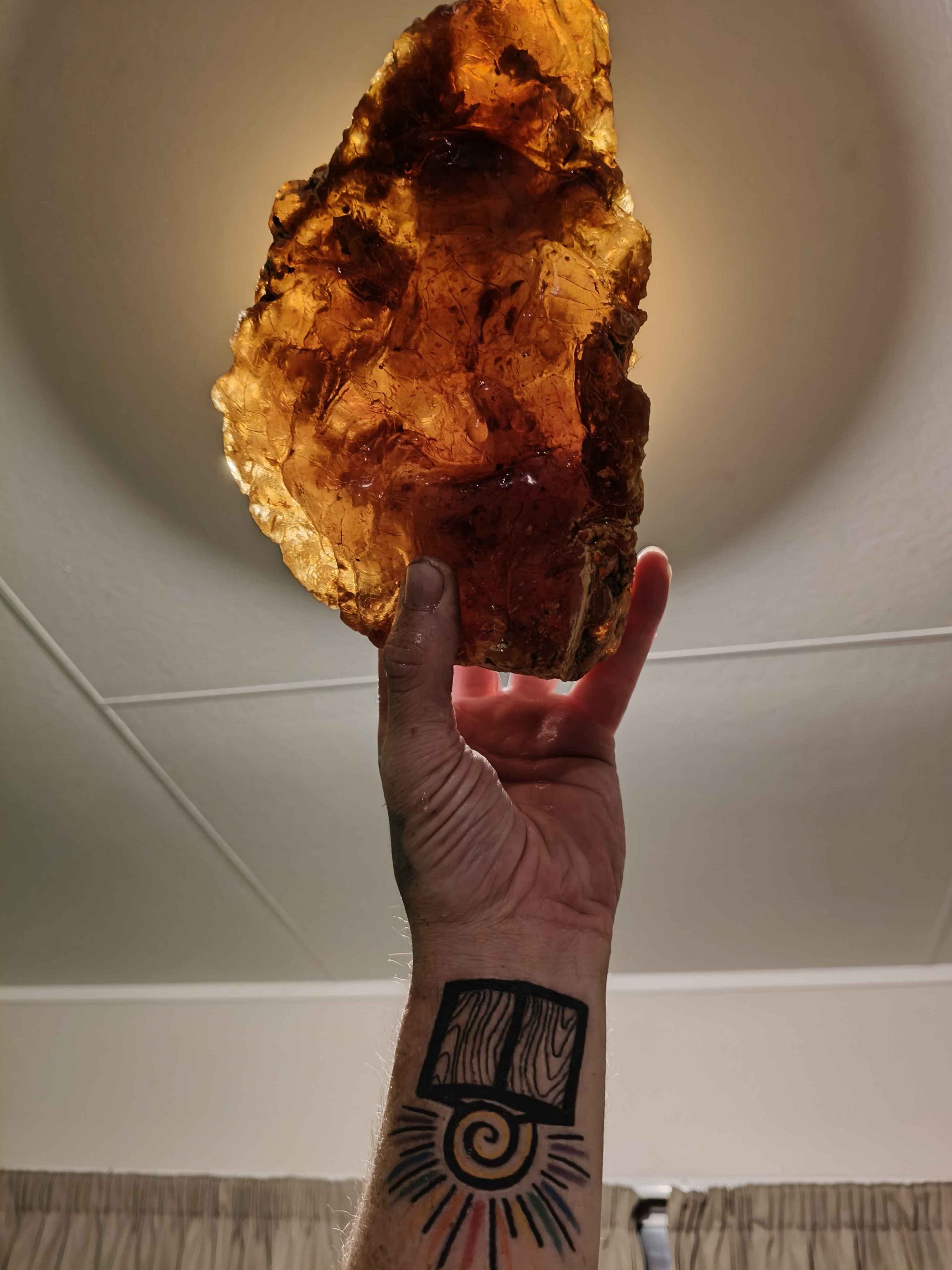
Welcome to the Kauri Gum FAQ!
Explore the history, cultural significance, and scientific insights of kauri gum.
From its connection to New Zealand’s past to its uses in modern-day crafts and healing, kauri gum is a fascinating natural treasure.
Historical Facts
What is kauri gum, and where does it come from?
Kauri gum is a resin from the kauri tree (Agathis australis), native to New Zealand. The gum formed as the trees exuded resin to protect themselves from damage, which hardened over time and was often buried underground.
Why is kauri gum important to New Zealand’s history?
Kauri gum was crucial to New Zealand’s economy, particularly in the 19th and early 20th centuries. It was used in products like varnish, linoleum, and carvings. Māori and settlers alike valued it for both practical and cultural reasons. Gum digging, which was often a tough and labor-intensive job, became an important part of life for many.
What was the kauri gum industry like in the 19th century?
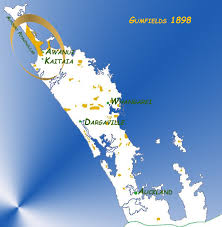
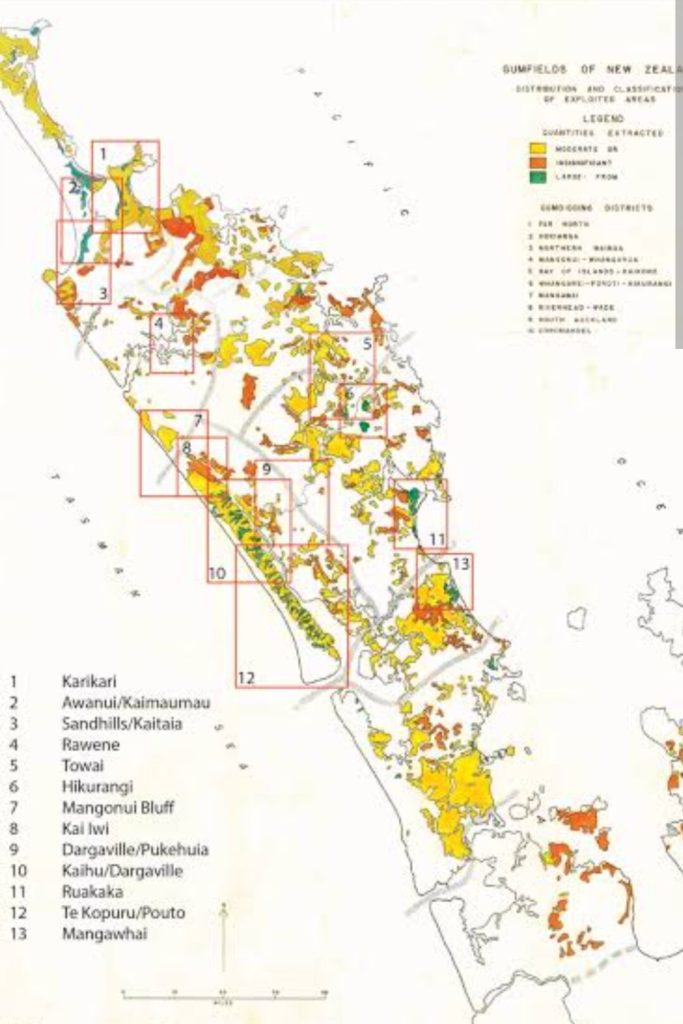
In the late 1800s and early 1900s, gum digging was widespread, especially in the northern parts of New Zealand. Digging was done using spades, spears, and hooks to uncover gum buried underground. The gum was then exported internationally until synthetic resins made it less important by the mid-20th century.
Scientific Insights: The Aging Process.
Kauri gum evolves as it undergoes physical and chemical changes over thousands of years:
Fresh Kauri Gum: Soft, sticky, golden or amber in color, and often translucent.
Aged Kauri Gum (100–10,000 years old): Harder and may darken slightly.
Kauri Copal (10,000–1 million years old): Partially polymerized, more opaque and matte in appearance.
Fossilized Resin (Over 1 million years old): Hard as stone, clear, and often containing preserved inclusions like ancient plant matter.
What is polymerization, and how does it change kauri gum?
Polymerization is the process in which the resin molecules bond, turning kauri gum into a harder, more durable substance. Over time, this process makes the gum less brittle, darker, and more stable, eventually creating the transparent, amber-like resin known as copal or amber.
What influences the color of kauri gum copal and amber?
The environment determines its color. Fresh gum is golden, while older gum and copal may become darker and more opaque due to oxidation or mineral contact. Rare blue or green tones can also develop depending on mineral deposits.
Fun Facts
Could kauri gum bring back extinct creatures?
Just like in Jurassic Park, preserved specimens in fossilized gum could one day hold the key to understanding lost creatures. With current technology advancements extinct species like the giant moa or massive Haast’s eagle that used to prey on human, could live among us again one day soon, extracting ancient DNA from insects and fauna trapped in kauri gum could have could lead to amazing scientific discoveries .
What’s the largest piece of kauri gum ever found?
The largest recorded piece of kauri gum weighed over 90 kilograms, discovered in Northland, New Zealand.
How can you search for kauri gum?
Stab around fields, streams, dunes, and mangroves with a spear or spade. Feel for the satisfying crunch beneath the surface and carefully dig to uncover hidden treasures.
How can kauri gum be used in everyday practices?
Incense: Burning kauri gum releases a pleasant, earthy fragrance, often used for cleansing spaces or creating a peaceful atmosphere.
Carving and Art: Kauri gum is used in jewelry and carvings, appreciated for its beautiful, natural appearance and subtle energy.
Guide to Determining Age and Quality of Kauri Gum
Sanding a small area of the gum and applying water can reveal its texture patterns and clarity to decide practicality for carving, dry it soon after to prevent oxidization.
Using Fingernails, Teeth, and the Morse Hardness Scale
To test the hardness of kauri gum, use your fingernail or teeth. Fresh gum is soft and can be easily marked with your fingernail (about 2.5 on the Morse scale). Your teeth (around 5 on the scale) will leave marks on softer gum but won’t affect older, harder gum (like copal or amber). A harder object will leave marks on softer object.
The Torch Test
A powerful light, such as a torch, can be used to penetrate the exterior oxidization of the gum. Quality Jewelry grade gum will be bright whilst lamp or incense not change much at all. The torch test helps reveal the interior clarity and quality of the gum by exposing it to a high-intensity light source. Older gum will also burn longer or be more resistant to fire as its polymerization makes it more stable.
Grades and Grading Your Gum
The quality of kauri gum is determined by its age, clarity, color, shapes, patterns, inclusions and overall condition. High-quality gum is clear and free of cracks or inclusions, while lower-grade gum may have discoloration, cracks, or other imperfections. See below for the many different grades and colors of Swamp Kauri Gum